
Vitamin C Serums: Who Benefits, and How to Choose One
Vitamin C is one of the best-studied antioxidants in skincare. But formulas vary hugely — here is how to tell a useful serum from an expensive bottle of orange water.
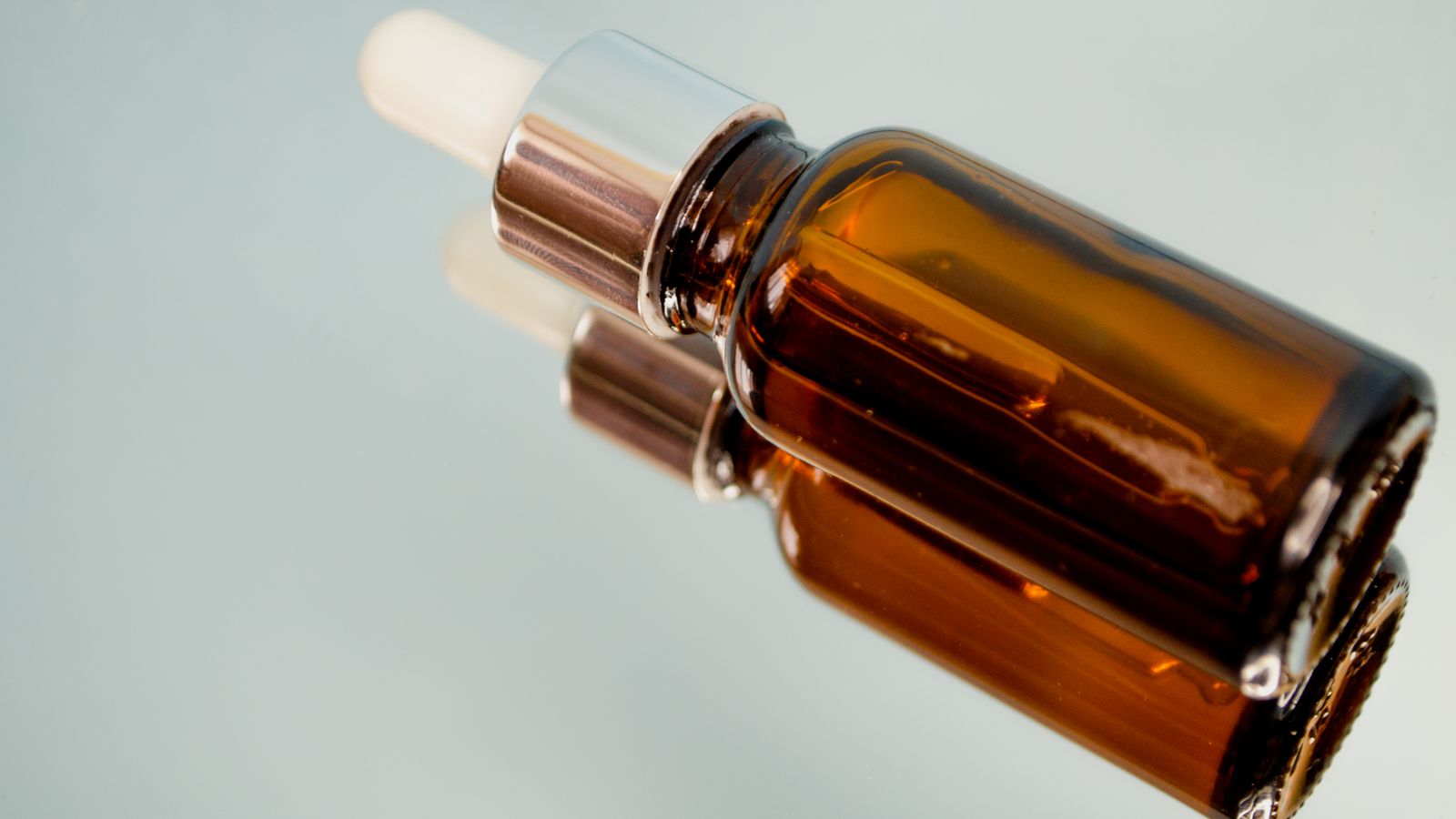
Photo: Pexels
Key takeaways
- Topical vitamin C is an antioxidant that can help brighten skin and support protection against UV-related damage — alongside sunscreen, not instead of it.
- L-ascorbic acid is the best-studied form, but it is unstable and can irritate sensitive skin.
- Look for opaque, airtight packaging, and stop using a serum that has turned dark orange or brown.
- Start every other morning if your skin is sensitive.
Vitamin C serums have become a morning staple, and for once the popularity has some science behind it. Vitamin C is the skin’s most abundant antioxidant, and applied topically it has been studied for brightness, uneven pigment and fine lines.1 The catch is that it is a fussy molecule, so the formula matters as much as the ingredient.
What vitamin C does in the skin
Vitamin C neutralises free radicals — unstable molecules generated by UV light and pollution that damage collagen and contribute to visible ageing. It is also essential for the skin’s own collagen production, and it can interfere with the pathway that makes pigment, which is why it is often used for dullness and dark marks.2
It is not a sunscreen. Think of it as an extra layer of protection under your SPF, not a replacement.
The forms on the label
- L-ascorbic acid is the pure, best-studied form. Laboratory work suggests it penetrates the skin best in an acidic formula, at concentrations up to about 20%.3 It is also the most likely to sting.
- Derivatives such as sodium ascorbyl phosphate, magnesium ascorbyl phosphate, ascorbyl glucoside and tetrahexyldecyl ascorbate are more stable and usually gentler, but there is less clinical evidence for how much active vitamin C they deliver.
If your skin is sensitive, a derivative is a sensible place to start. If you tolerate actives well and want the most researched option, choose L-ascorbic acid.
How to tell if it has gone off
Vitamin C oxidises when exposed to light and air. A fresh serum is usually colourless to pale straw; one that has turned dark orange or brown has largely broken down and is no longer worth using. Buy small bottles in opaque or airless packaging, keep the lid closed, and store away from heat.
How to use it
- Apply a few drops to clean, dry skin in the morning.
- Follow with moisturiser.
- Finish with a broad-spectrum SPF 30 or higher — the combination is where the benefit lies.
If you also use a retinoid, keep vitamin C for the morning and the retinoid for the evening; this is simpler for most skin and reduces the chance of irritation.
A good vitamin C serum is a supporting act. Sunscreen is still the star.
Who might want to skip it
If you have very reactive skin or rosacea and find that vitamin C stings or flushes your face, stop — there are gentler routes to brighter skin, such as niacinamide. Tingling that settles within a minute is common; burning, redness or itching that lingers is not.
Sources
- Al-Niaimi F, Chiang NYZ. Topical vitamin C and the skin: mechanisms of action and clinical applications. Journal of Clinical and Aesthetic Dermatology. 2017;10(7):14–17.
- Pullar JM, et al. The roles of vitamin C in skin health. Nutrients. 2017;9(8):866.
- Pinnell SR, et al. Topical L-ascorbic acid: percutaneous absorption studies. Dermatologic Surgery. 2001;27(2):137–142.