
Under-Eye Circles: The Causes, and What Genuinely Helps
Dark circles are not always about tiredness. Pigment, thin skin, hollows and genetics all play a part — and the right fix depends on which one you have.
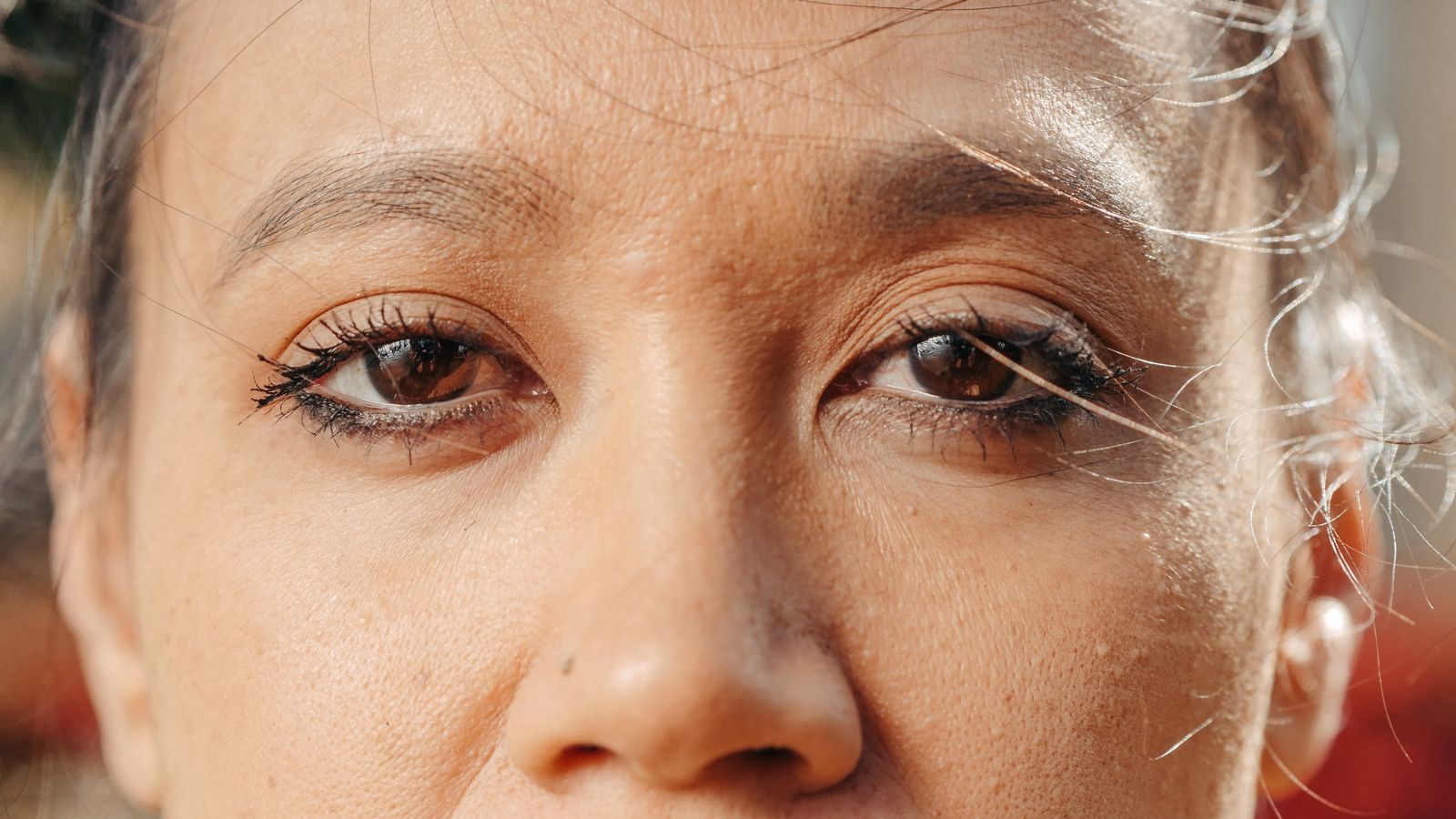
Photo: Pexels
Key takeaways
- Dark circles have several causes: pigmentation, visible blood vessels under thin skin, shadows from hollows, and puffiness.
- Sleep, allergies and rubbing can make them worse, but genetics often play the biggest role.
- Sunscreen, caffeine-based or brightening creams and concealer help some types; hollows usually do not respond to creams.
- Fillers for under-eye hollows are an advanced treatment that should only be done by an experienced medical injector.
If you have tried every eye cream on the market and your dark circles are still there, it may be because they are not one condition but several. Understanding which type you have saves a lot of money.1
The four main causes
1. Pigmentation. Brown or grey-brown circles caused by extra melanin. More common in people with medium to deeper skin tones and often runs in families. Sun exposure and rubbing can darken it.
2. Visible blood vessels. The skin under the eyes is among the thinnest on the body. In fair or thin skin, the blood vessels beneath can show through as a bluish or purplish tint, which often looks worse when you are tired.
3. Hollows and shadows. With age, the fat pads and bone around the eye change, creating a hollow (sometimes called a tear trough) that casts a shadow. This is structural, so creams cannot fill it.
4. Puffiness. Fluid retention, allergies or fat that has shifted forward can create bags, which cast a shadow below them.
A simple self-check
Gently stretch the skin under your eye. If the colour stays the same, pigment is likely. If it becomes bluer, visible vessels are likely. If the darkness disappears when you look up into a light, shadows from hollows are a likely cause.1
What helps, by type
- Pigmentation: daily sunscreen including the eye area, sunglasses, and brightening ingredients such as vitamin C or niacinamide. A dermatologist can advise on prescription options.
- Blood vessels: good sleep, a cold compress, and concealer with a peach or orange tone to cancel blue.
- Hollows: creams will not fill them. Some people consider hyaluronic acid filler, an advanced treatment with real risks that should only be done by an experienced medical injector.
- Puffiness: treat allergies, sleep with your head slightly raised, limit salty late meals, and try a cool compress in the morning.
Dermatologists also advise avoiding rubbing your eyes and getting enough sleep.2
The best under-eye “treatment” is often a well-matched concealer and a good night’s sleep — and that is perfectly fine.
When to see a doctor
If dark circles appear suddenly, on one side only, or with swelling, itching or other symptoms, see a doctor to rule out allergies, eczema or other medical causes.
Sources
- Vrcek I, Ozgur O, Nakra T. Infraorbital dark circles: a review of the pathogenesis, evaluation and treatment. Journal of Cutaneous and Aesthetic Surgery. 2016;9(2):65–72.
- American Academy of Dermatology. Dark circles under the eyes: tips to reduce them. aad.org.