
Melasma: Why It Appears and What Actually Helps
Those brown patches on the cheeks, forehead or upper lip are common, stubborn and often linked to hormones and light. Here is what research says about managing them.
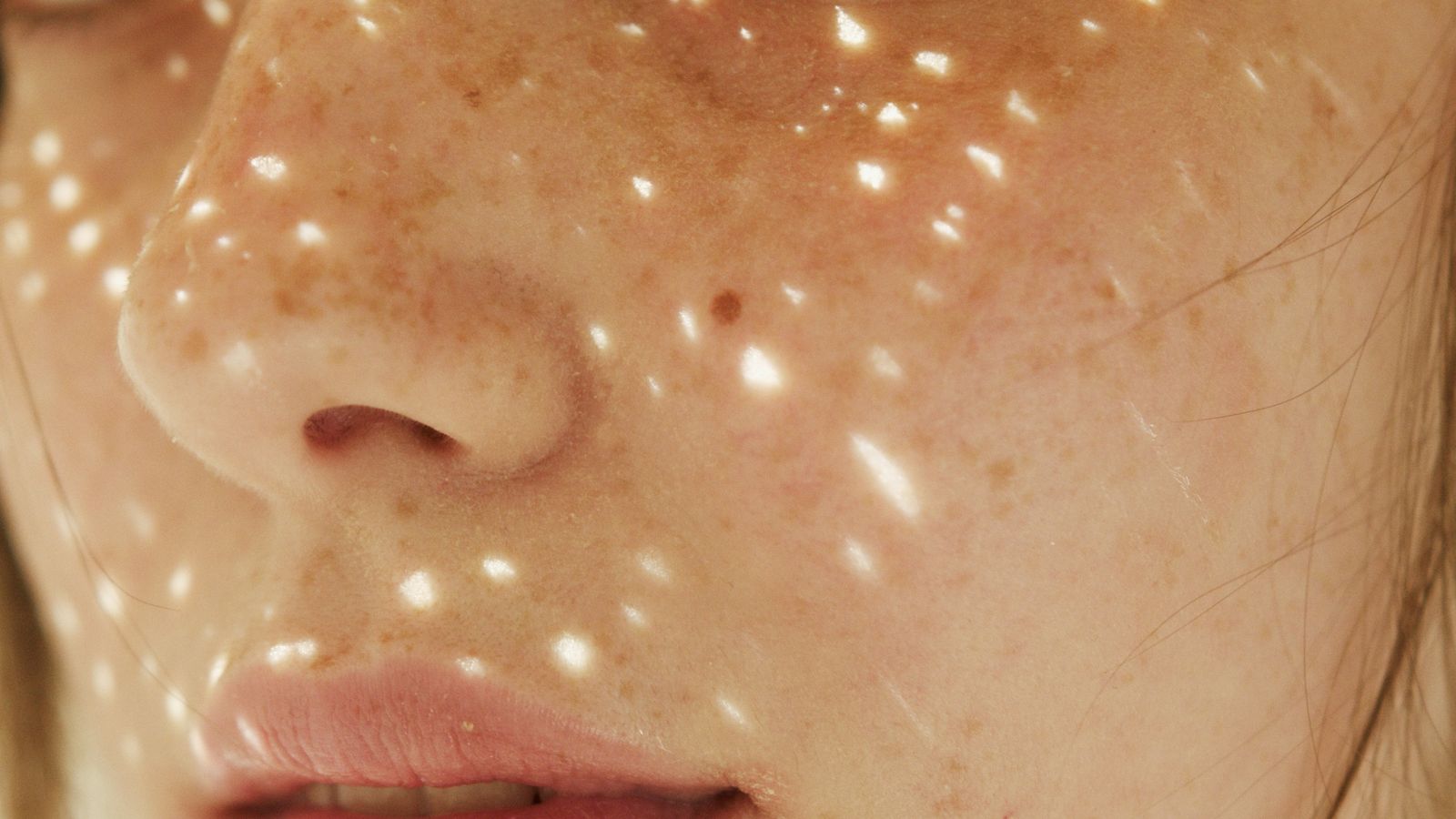
Photo: Pexels
Key takeaways
- Melasma causes brown or grey-brown patches, usually on the face, and is much more common in women.
- Sun exposure, visible light and hormones (pregnancy, contraceptive pills, HRT) are common triggers.
- Daily broad-spectrum sunscreen — ideally tinted, to block visible light — is the foundation of treatment.
- Prescription creams can help, but melasma often returns, so long-term management is the goal.
Melasma is a common skin condition that causes symmetrical brown or grey-brown patches, most often on the cheeks, forehead, nose and upper lip. It is far more common in women than men, and in people with medium to darker skin tones.1 It is harmless — but it can be frustrating, because it tends to come back.
What triggers it
- Light. Ultraviolet light, and also visible light, can darken melasma.1
- Hormones. Melasma often appears during pregnancy (where it is sometimes called the “mask of pregnancy”) or with hormonal contraception or hormone therapy.3
- Heat and genetics also seem to play a role.
The foundation: protecting from light
Every dermatology guideline starts in the same place: daily broad-spectrum sunscreen, reapplied when outdoors, plus hats and shade.2 Because visible light can also worsen melasma, tinted sunscreens containing iron oxides are often recommended, as they block more visible light than untinted formulas.1
Treatments with evidence
- Topical lightening agents. Hydroquinone, often combined with a retinoid and a mild steroid as a prescription “triple cream”, is one of the most studied options, and is used under medical supervision because of side effects with long use.1
- Gentler options. Azelaic acid, niacinamide, vitamin C and tranexamic acid creams are used, particularly for sensitive skin or maintenance.
- Tranexamic acid tablets are sometimes prescribed off-label by specialists; they are not suitable for everyone, especially people at risk of blood clots.1
- Peels and lasers can help some people but can also make melasma worse, especially in darker skin, so they should only be done by an experienced dermatologist.
Melasma is usually managed, not cured. Consistency matters more than intensity.
What to avoid
Avoid harsh scrubs and DIY lightening products bought online, which may contain unlabelled or banned ingredients such as mercury or high-strength steroids. If a patch looks different from the rest — irregular, raised, changing or bleeding — have it checked, as not all dark patches are melasma.
Sources
- Ogbechie-Godec OA, Elbuluk N. Melasma: an up-to-date comprehensive review. Dermatology and Therapy. 2017;7(3):305–318.
- American Academy of Dermatology. Melasma: diagnosis and treatment. aad.org.
- NHS. Melasma (chloasma). nhs.uk.