Bone Health After 40: How to Protect Your Skeleton
Bone loss is silent until a fracture happens. The habits you build in your forties and fifties make a real difference to how strong your bones are at 70.
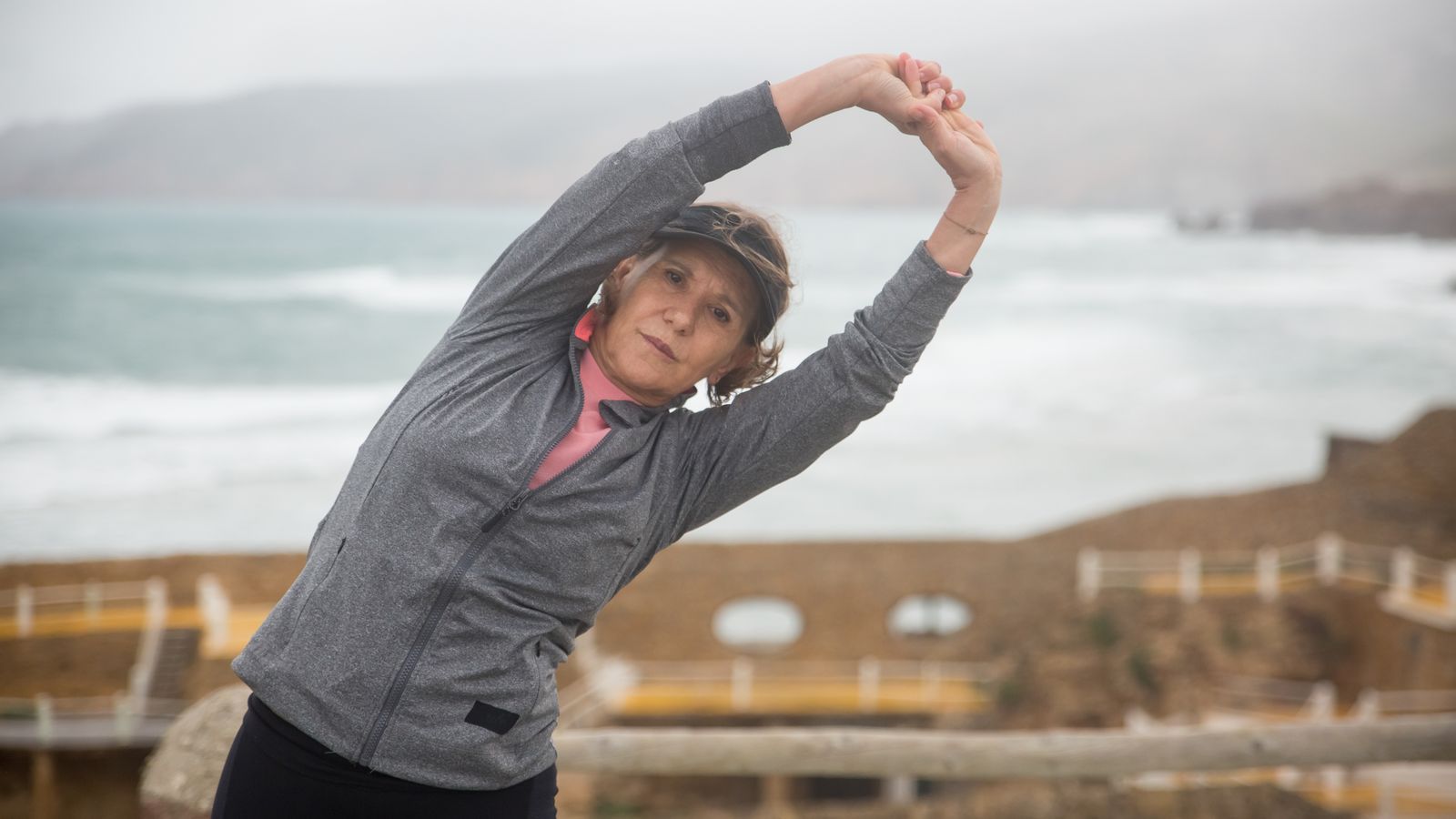
Photo: Pexels
Key takeaways
- Bone density peaks around the age of 30 and falls faster in the years after menopause.
- Weight-bearing and muscle-strengthening exercise, enough calcium and vitamin D, and not smoking all protect bones.
- Many adults are advised to consider a daily vitamin D supplement in autumn and winter.
- If you have risk factors, ask your doctor about a fracture risk assessment.
Your bones are living tissue that is constantly being broken down and rebuilt. Until around the age of 30, you build more than you lose. After that, the balance slowly shifts — and in the years after menopause, as oestrogen falls, bone loss speeds up.1 Osteoporosis, where bones become fragile, has no symptoms until a bone breaks.
Know your risk factors
Your risk of osteoporosis is higher if you:2
- have gone through menopause, especially early (before 45);
- have a parent who broke a hip;
- have a low body weight or a history of eating disorders;
- smoke or drink heavily;
- have taken steroid tablets for more than three months;
- have conditions such as rheumatoid arthritis, coeliac disease or an overactive thyroid.
What you can do
Move your body. Weight-bearing exercise — brisk walking, dancing, jogging, stair-climbing — and muscle-strengthening exercise help maintain bone strength.1 Read our guide to strength training after 35.
Get enough calcium. UK guidance is 700 mg of calcium a day for adults, ideally from food: dairy, fortified plant milks, tofu set with calcium, green leafy vegetables and tinned fish with soft bones.2
Get enough vitamin D. Vitamin D helps your body absorb calcium. In the UK, everyone is advised to consider a daily 10 microgram vitamin D supplement in autumn and winter, when sunlight is too weak for the skin to make enough.3 Advice varies by country and latitude, so check your local guidance.
Avoid smoking and limit alcohol, both of which weaken bones.
Bone health is a long game. The best time to start was in your twenties; the second-best time is now.
Should you have a bone scan?
Bone density scans (DEXA) are not offered routinely to everyone. If you have risk factors, ask your doctor about a fracture risk assessment, which uses your age, history and other factors to decide whether a scan or treatment is needed. HRT and other medicines can help protect bone density in women at higher risk.
Sources
- Royal Osteoporosis Society. Bone health and osteoporosis: a guide for the public. theros.org.uk.
- NHS. Osteoporosis: prevention. nhs.uk.
- NHS. Vitamin D. nhs.uk.