
Sleep Is a Beauty Treatment — and the Science Agrees
“Beauty sleep” sounds like an old wives’ tale. Research suggests it is closer to the truth than most of the products on your bathroom shelf.
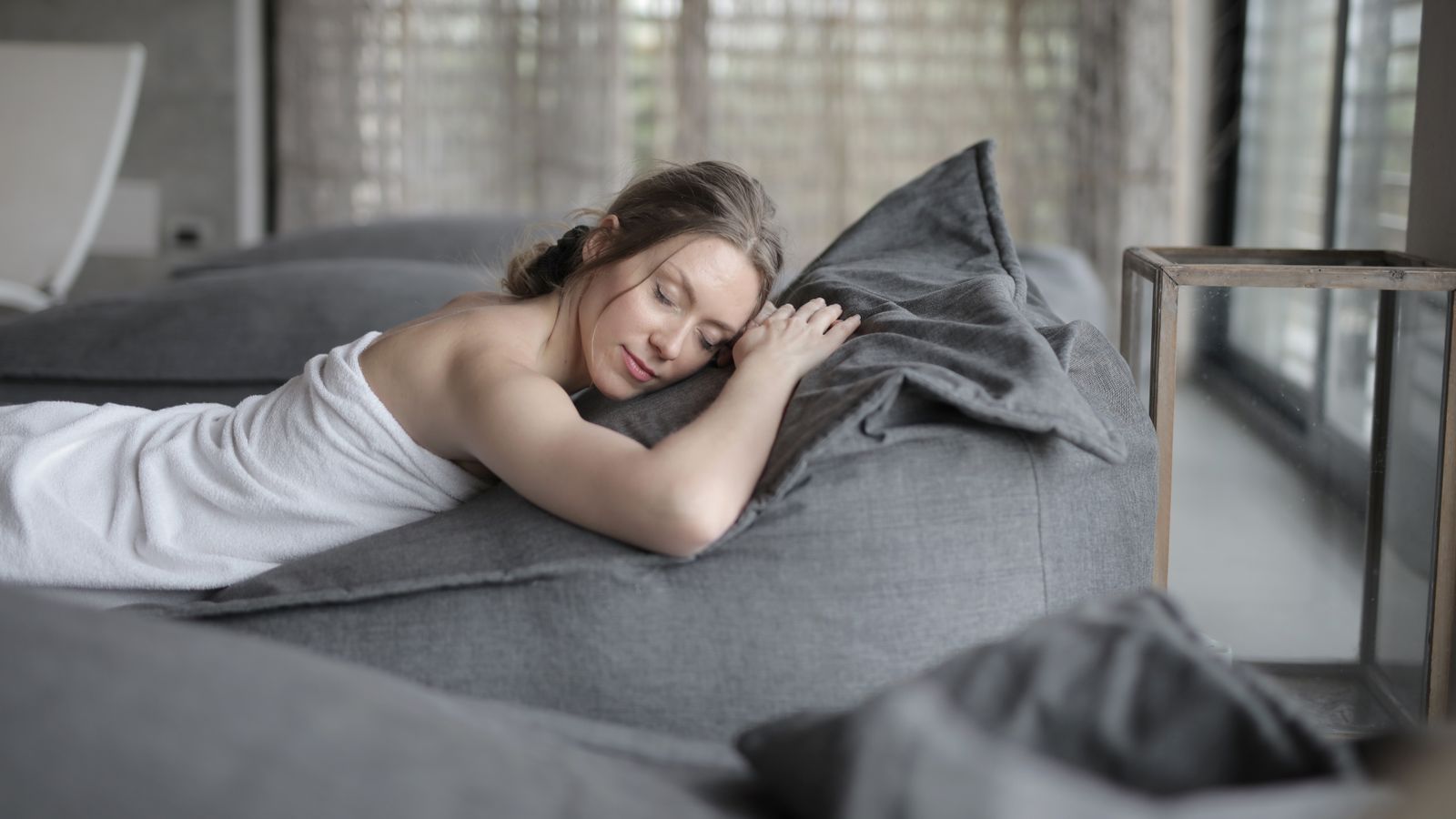
Photo: Pexels
Key takeaways
- In a small study, poor sleepers showed more signs of skin ageing and slower barrier recovery than good sleepers.
- People rate faces as looking more tired and less healthy after sleep deprivation.
- Most adults need at least seven hours a night.
- Regular timing, a dark cool room and less late caffeine and alcohol are the simplest fixes.
A late night shows up in the mirror the next morning — puffy eyes, a duller complexion, the look of having “not quite woken up”. That is not just perception. A growing body of research links sleep with how skin looks and how well it repairs itself.
What the studies show
In one study of women aged 30 to 49, those classed as poor sleepers had more signs of intrinsic skin ageing, and their skin recovered more slowly after its barrier was disrupted, compared with good sleepers.1 It was a small study, so it shows an association rather than proof — but it fits with what we know about sleep and the body’s repair processes.
Other people notice, too. In a Swedish experiment, observers looked at photographs of the same volunteers after normal sleep and after sleep deprivation. After a short night, faces were rated as having more hanging eyelids, redder eyes, darker circles and paler skin — and as looking sadder and more tired.2
How much is enough?
Health authorities recommend that most adults get at least seven hours of sleep a night.3 Around perimenopause many women find this harder, as night sweats and hormonal changes disrupt sleep; that is worth raising with a doctor rather than simply putting up with.
Simple ways to sleep better
- Keep regular hours, including at weekends, so your body clock stays steady.4
- Make the bedroom dark, quiet and cool — overheating is a common reason for waking.
- Cut caffeine after lunch and keep alcohol modest; both fragment sleep.
- Wind down without screens for the last half hour if you can.
- If you cannot sleep, get up and do something calm in dim light, then return to bed when sleepy.
No night cream can do what seven good hours can.
And for your skin
Apply your evening routine earlier, so you are not doing it half asleep. If you wake with puffiness, sleeping with your head slightly raised and limiting salty late meals can help. Persistent snoring, gasping at night or daytime exhaustion despite enough time in bed should be checked by a doctor.
Sources
- Oyetakin-White P, et al. Does poor sleep quality affect skin ageing? Clinical and Experimental Dermatology. 2015;40(1):17–22.
- Sundelin T, et al. Cues of fatigue: effects of sleep deprivation on facial appearance. Sleep. 2013;36(9):1355–1360.
- Centers for Disease Control and Prevention. About sleep: how much sleep do I need? cdc.gov.
- NHS. How to get to sleep. nhs.uk.